



Mark Atkinson, Learning and Innovation Leader and Physical Education Teacher at The Alice Smith School, Malaysia explores the potential for transformative well-being through positive psychology.
Trends & Themes
- Exploration into positive psychology techniques and impact.
- Third-wave positive psychology, evolving from the individual to groups and systems.
- The quest for sustainable happiness
Practical Applications
- Promoting admiration, joy and general positivity through good deeds and gratitude tasks
- Increase collaborative and cooperative tasks to develop close positive relationships
- Provide opportunities for reflection and goal setting to appreciate personal growth
For a number of years now, schools around the world have increasingly acknowledged the importance of a student's overall well-being. However, the COVID-19 pandemic has cast a spotlight on student well-being like never before. While students continue to deal with the aftermath of multiple bouts of unprecedented disruptions, lockdowns, and virtual learning, the demand for research into the wider intricacies of a student’s overall sense of well-being is greater than ever.
There is growing recognition that well-being and happiness are intertwined, and while the term well-being remains a broad concept, this article aims to conceptualise and explore one of the key factors of student well-being in schools: sustainable happiness. This article will examine a number of successful initiatives undertaken by schools that contribute towards sustainable happiness, prior to offering recommendations to educators to promote and foster an environment that supports students' in achieving and sustaining happiness.
What does the research tell us?
'Results found a significant increase in hedonic and eudaimonic well-being'.
It’s quite common to hear phrases such as ‘focus on your well-being’, or simply ‘cheer up’ or ‘be happy’, but what does the research tell us about how happiness can be achieved?
Alam’s (2022) research suggests that successfully implemented positive psychology programs and initiatives are linked to students' health, relationships, happiness, and academic success. An alternative study by Alam (2022) explores the effects of positive psychology interventions on what he describes as ‘sustainable happiness’, focusing on cultivating positive emotions, resilience, and positive character strengths to prioritise students happiness and well-being as a focus of learning in the 21st century. This further highlights the demand for a good education which contributes significantly towards personal and collective happiness as a focus of learning in the 21st century.
Lambert, Passmore and Joshanloo (2019) report on the effects of a positive psychology intervention programme (Happiness 101) which attempts to build one's well-being, beyond the traditional task of simply reducing ill-being by focusing on positive relationships and social interactions, such as undertaking good deeds and expressing gratitude. Results found a significant increase in hedonic and eudaimonic well-being, including a reduction in fear of happiness. Sheldon & Lyubomirsky (2006) support claims that students who changed their activities to those such as setting new personal goals or aspirations brought about an increase in positive experiences; while expressing gratitude and kindness created a culture of positivity and hedonism.
Lomas et al. (2021) explore the intricacies of what they perceive to be the third wave of positive psychology, offering recommendations for educators which includes evolving one’s focus beyond the individual person as the primary focus of enquiry, and looking more deeply at the groups, systems and organisational culture in which people are embedded. Therefore suggesting ways to foster collaboration and cohesion in order to develop and enhance relationships.
Strategies for educators
While a lot of research identifies a number of interventions and programmes which have positively impacted upon one's well being, specifically in achieving sustainable happiness, an important question to ask is: what might that look like to us as educators in a school-based setting?
Compton and Hoffman’s (2019) research in particular provides an insight into the practical strategies that educators could implement in order for their learners to achieve sustainable happiness. By embedding a number of the principles which feature in the Fordyce Happiness Training Programme, educators can promote a culture of positivity by seeking ways to increase the ratio of positive to negative emotional thoughts, they include:
- Incorporating reflective practice to increase learners’ understanding of compassion, empathy and emotional intelligence
- Promoting admiration, joy and general positivity through good deeds and gratitude tasks
- Increase collaborative and cooperative tasks to develop close positive relationships
- Provide opportunities for reflection and goal setting to appreciate personal growth
By incorporating these principles into their teaching practices, educators can create a culture of positivity that supports and nurtures the sustainable happiness of their students.
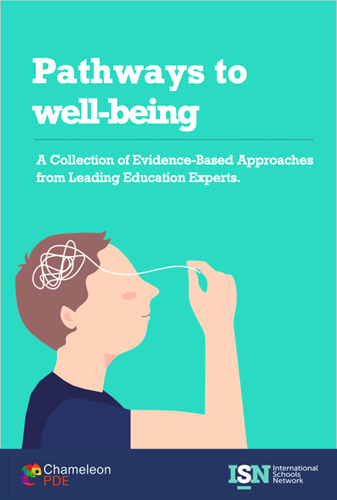
* Download the full digest here *
- - - - - - - -
** Not registered yet? Create your free profile here and add a response below **
To share your story, thoughts or ideas with the ISN community, please send your article draft directly to our editorial team here, or email us at [email protected]